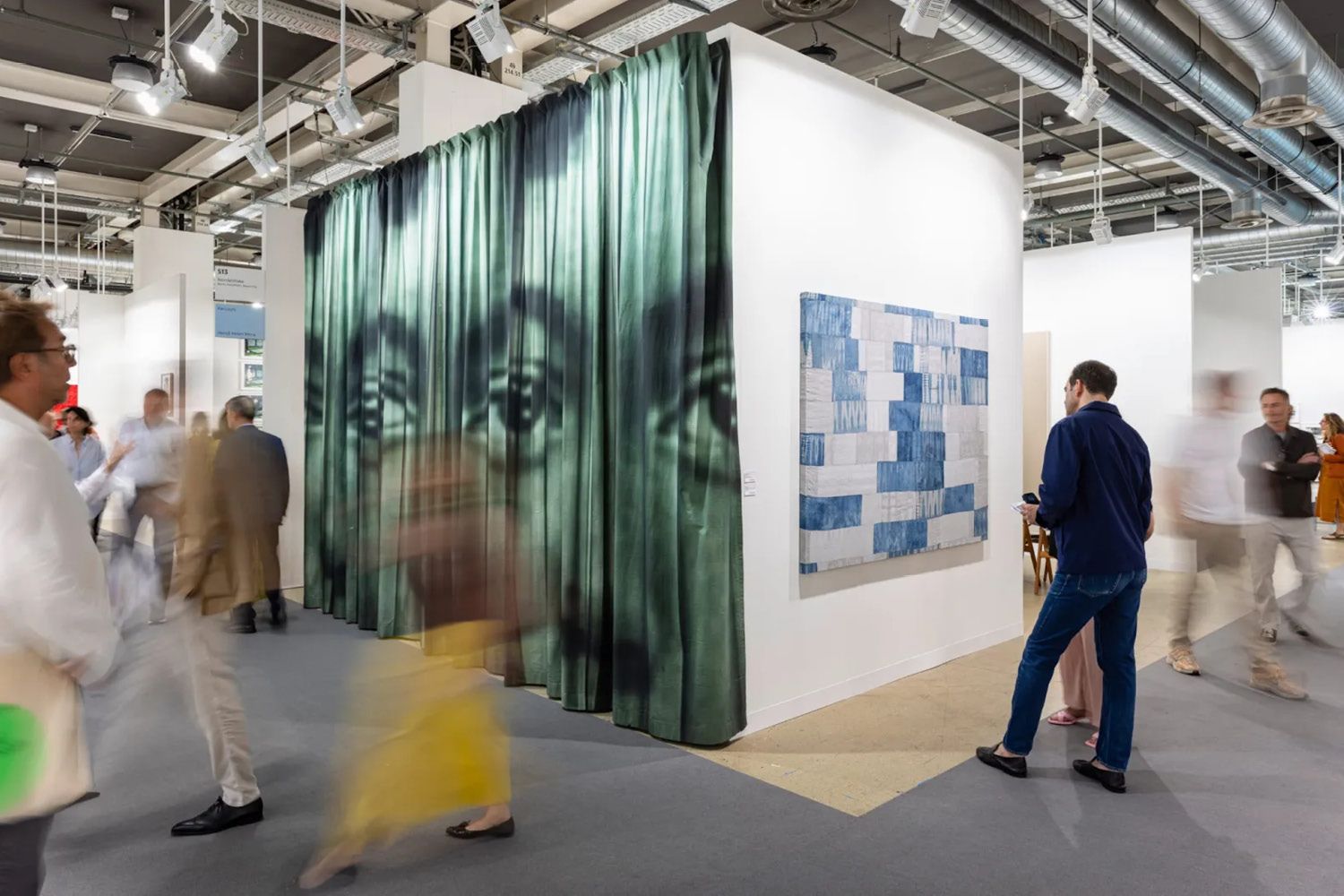
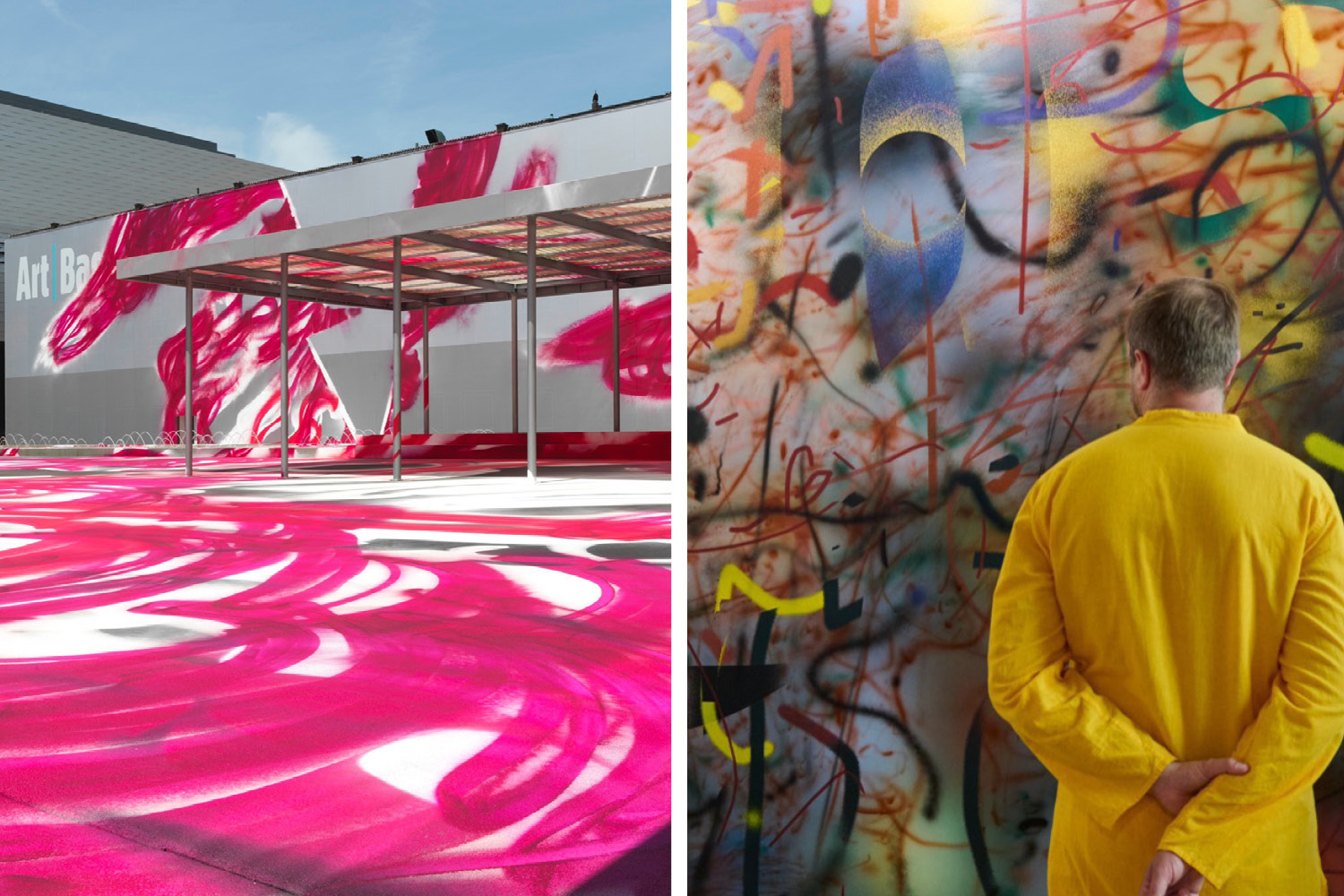
Inside, the choreography was familiar: collectors, curators, gallerists in quiet orbit, but the rhythm was different. The market’s mood was not exuberant nor anxious, but something rarer: deliberate.
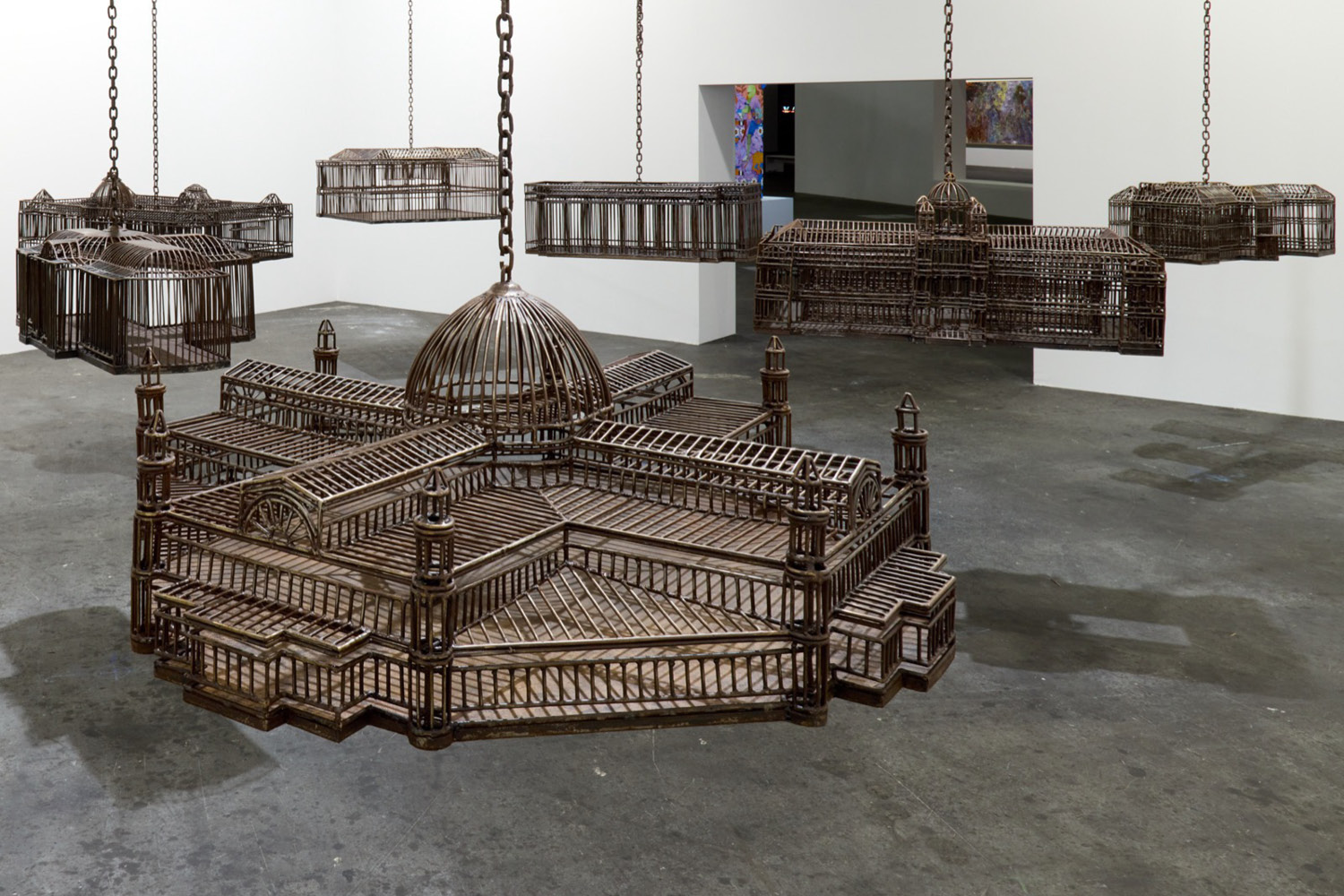
Sales happened, of course. A David Hockney canvas, Mid November Tunnel (2006), moved for somewhere between $13 and $17 million. A delicate Ruth Asawa wire sculpture found a new home for $9.5 million at David Zwirner. A Gerhard Richter painting landed around $6.8 million. There were million-plus sales from Baselitz, Emin, On Kawara, Cai Guo-Qiang, yet much of the fair’s hum came from works under a million, pieces that whispered rather than shouted.
Observers called the market “in transition.” American collectors were fewer. Europe, Asia, and the Middle East filled the void. The gravitational pull of the ultra-high-end remained, but the real current ran elsewhere, in mid-range booths where discovery, not dominance, dictated the tone. The language was one of discretion: measured optimism, selective engagement, focused attention.
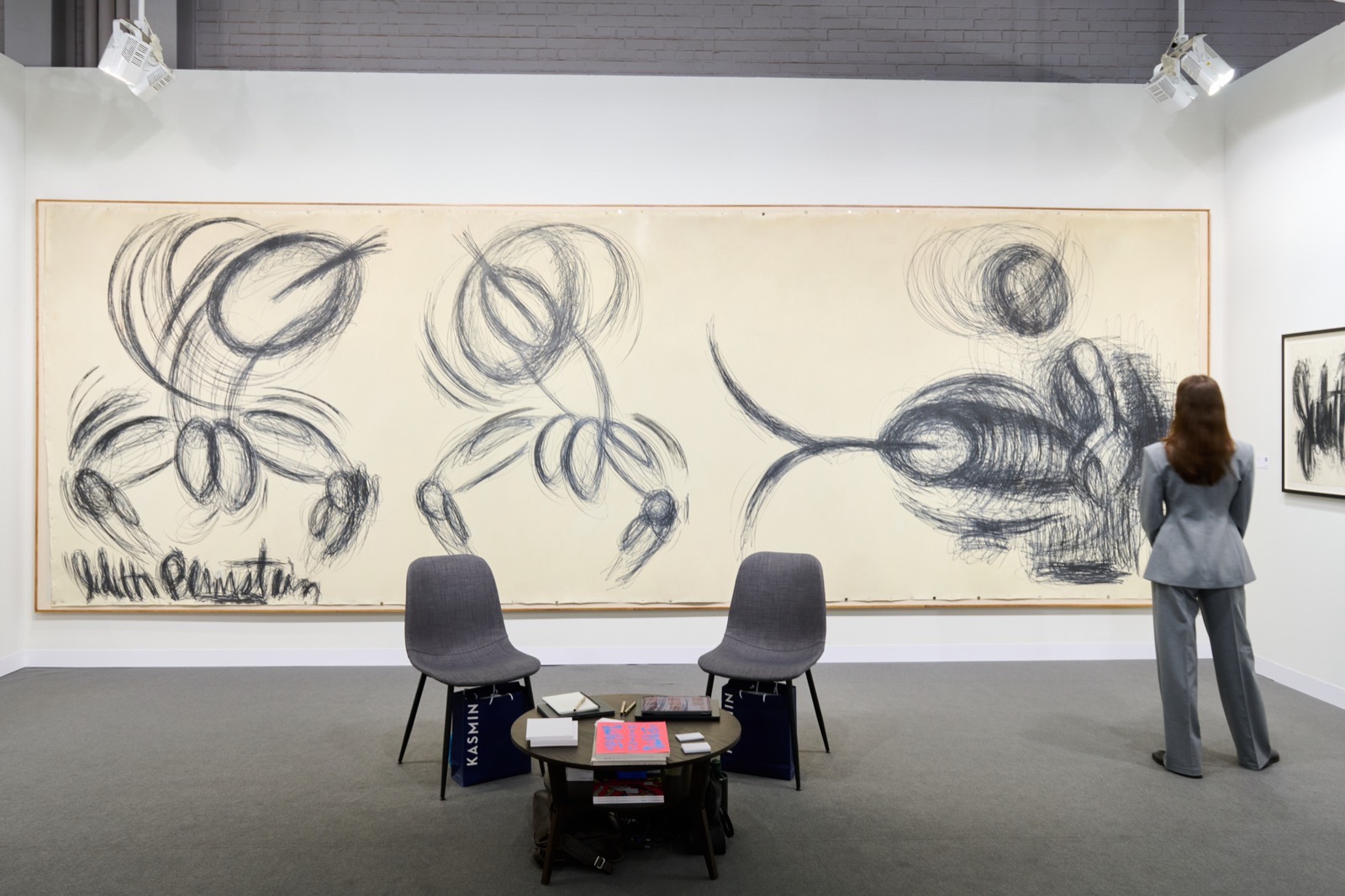
In the booths, the tension between monumentality and intimacy played out like a quiet duet. Hauser & Wirth opted for restraint, pairing postwar masters with conceptual newcomers. Gagosian held the ground of confidence. Ropac and Gladstone blurred the line between curation and commerce. Among younger galleries, especially in Premier and Statements, energy replaced certainty.
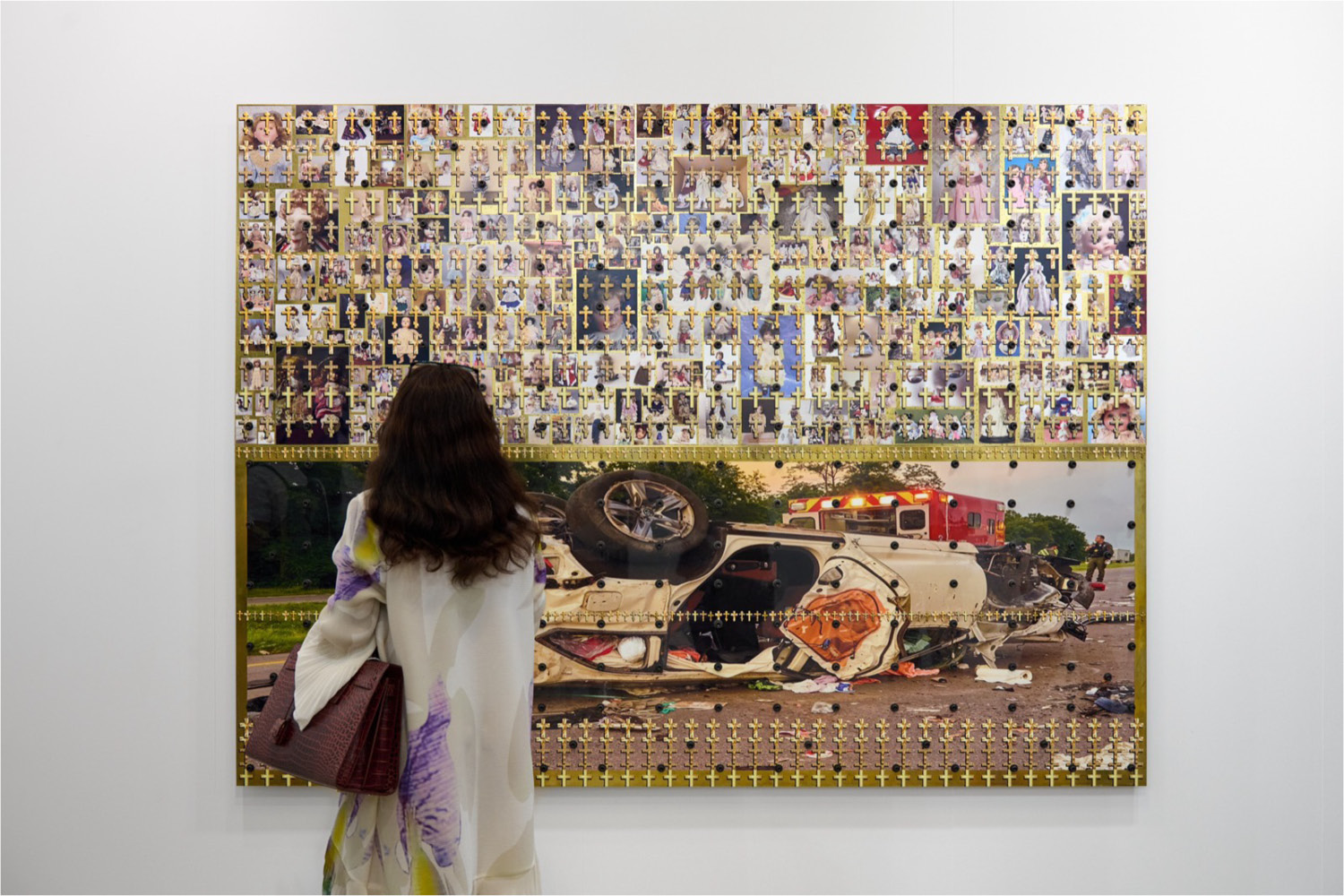
White Cube’s presentation of Danh Võ’s In God We Trust (2025), a subtle incision into the language of faith and money, sold for $287,500, its modest number underscoring its conceptual sharpness.