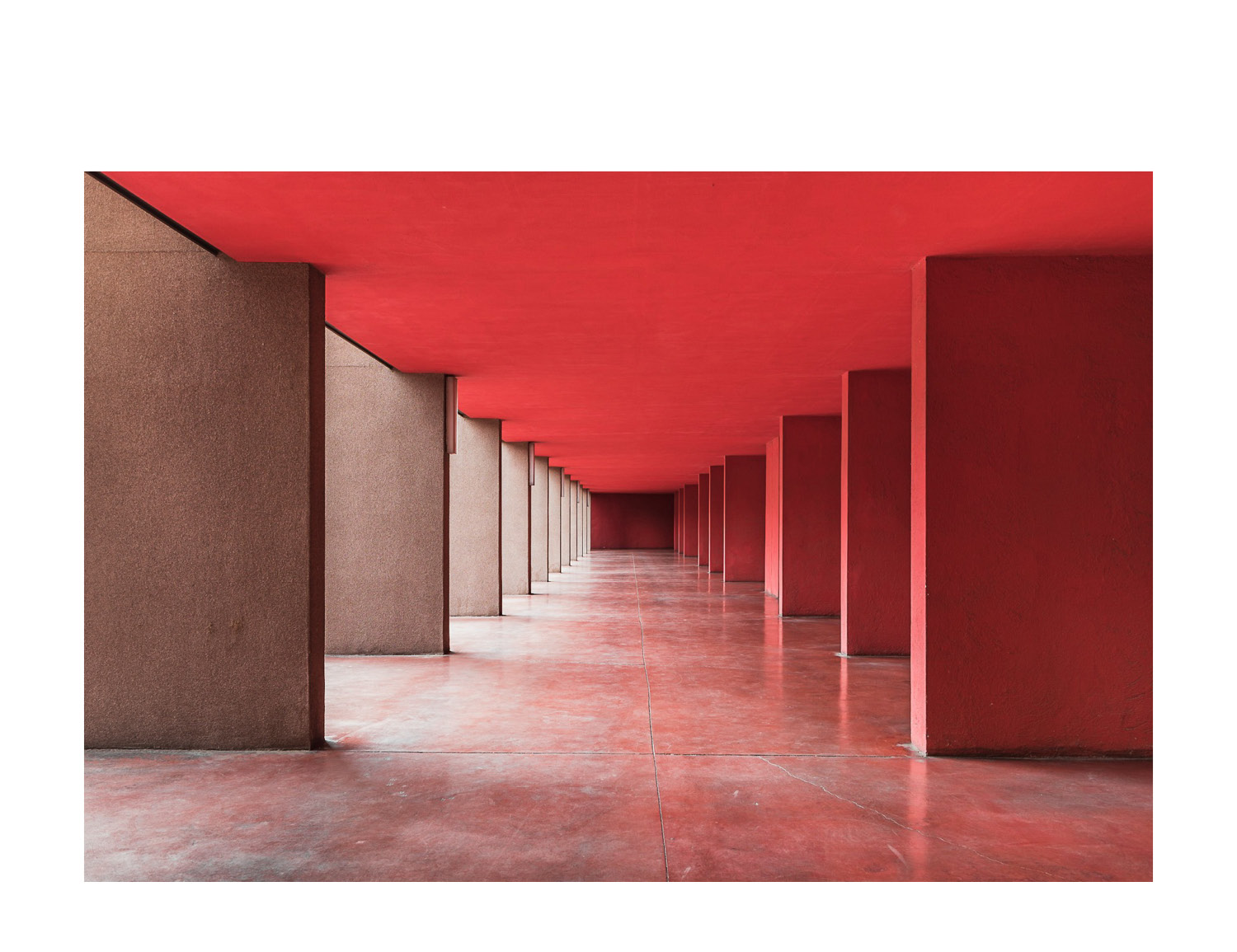
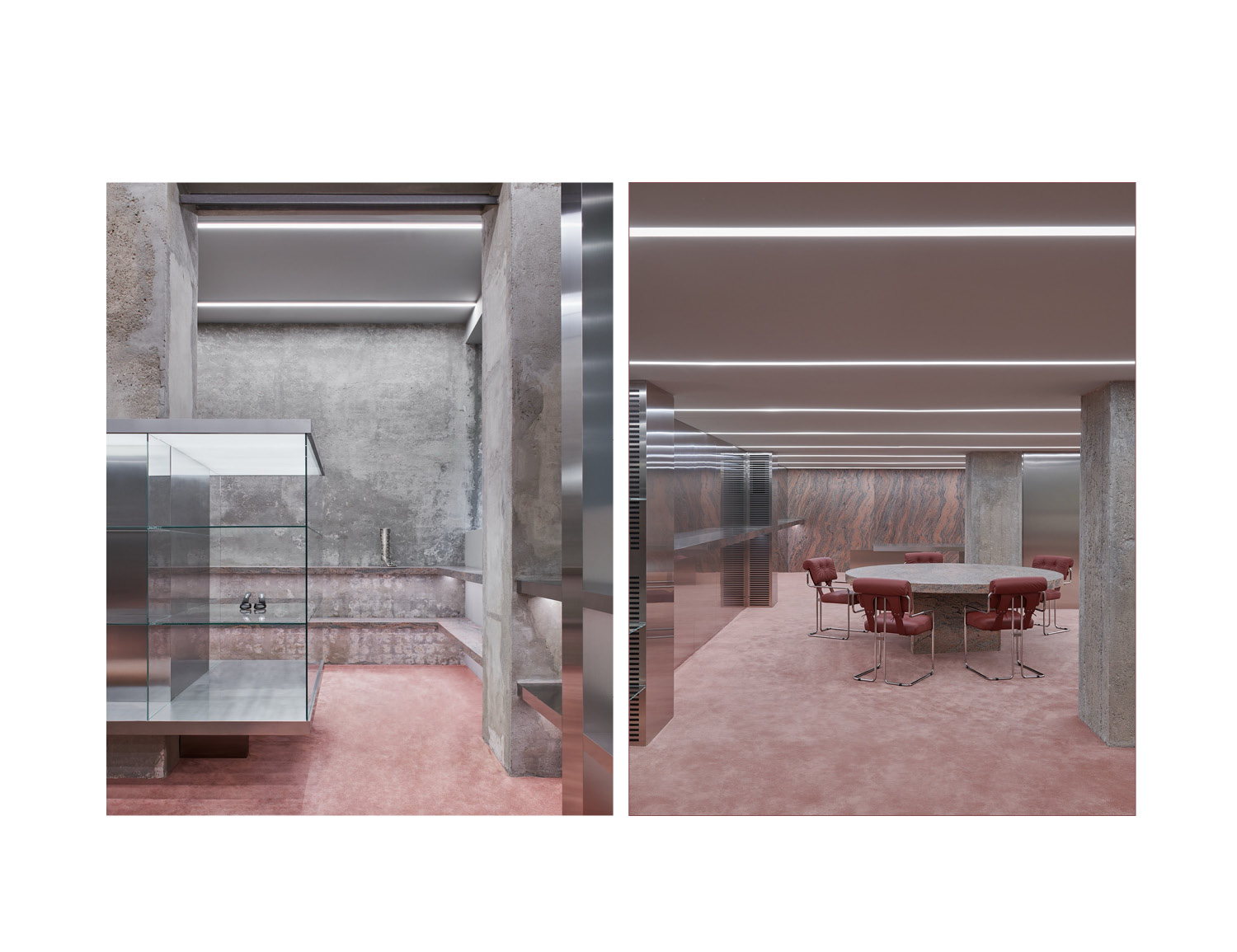
The Paris Texas Showroom in Milan showcases yet another side of your work—monochrome, tactile, and deeply atmospheric. How did you use color and perspective to reflect the brand’s identity while maintaining your signature calm?
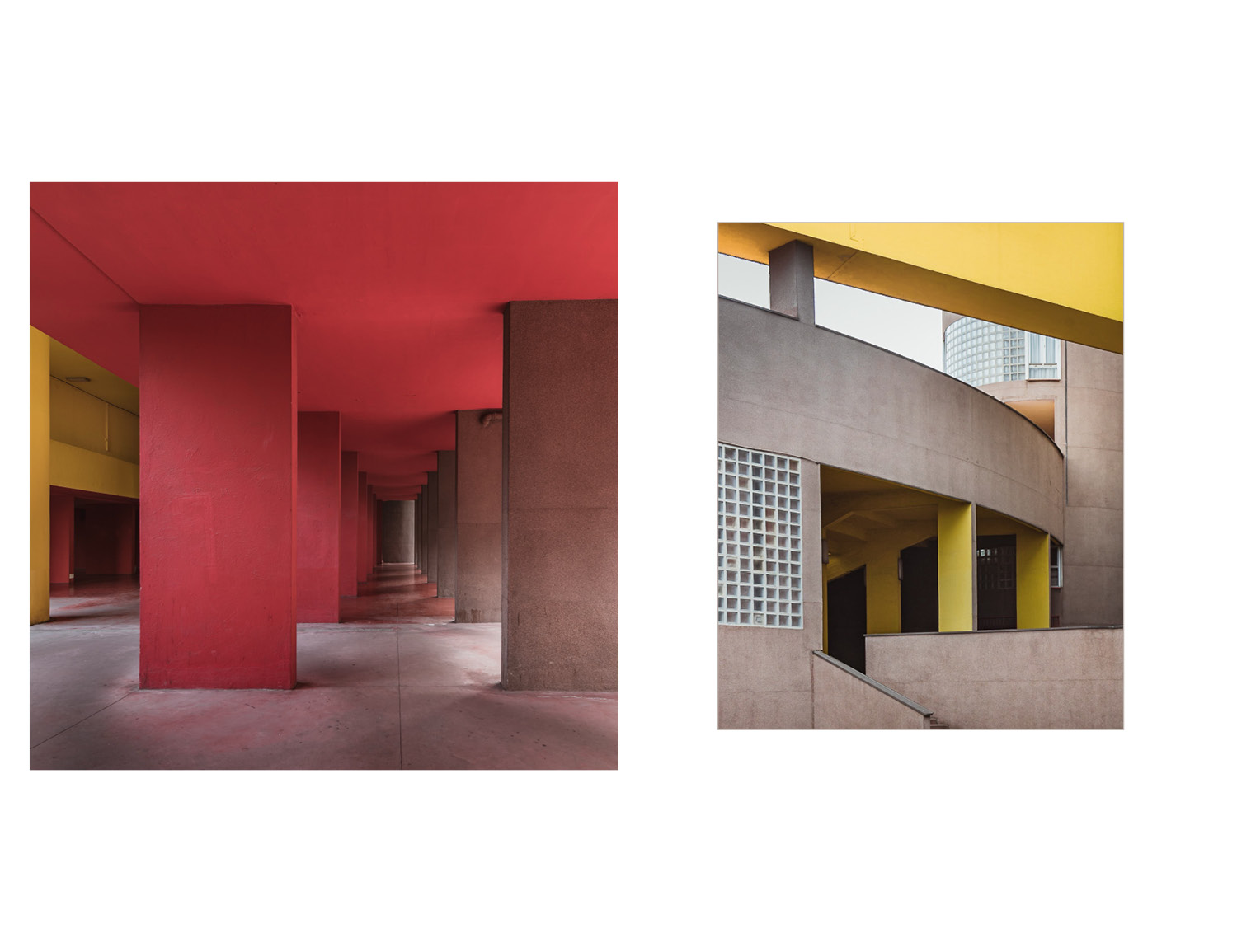
The Paris Texas showroom in Milan is an environment with a very strong aesthetic impact. What I appreciate most is the way the architects used each material, from steel to marble and exposed concrete. In this case, color plays a fundamental role in defining the interior—from the carpet to the custom furniture—so I let it take the leading role in the images. Through perspective and composition, I tried to maximize the characteristics of the space and, consequently, enhance its content, in this case luxury shoes and boots.
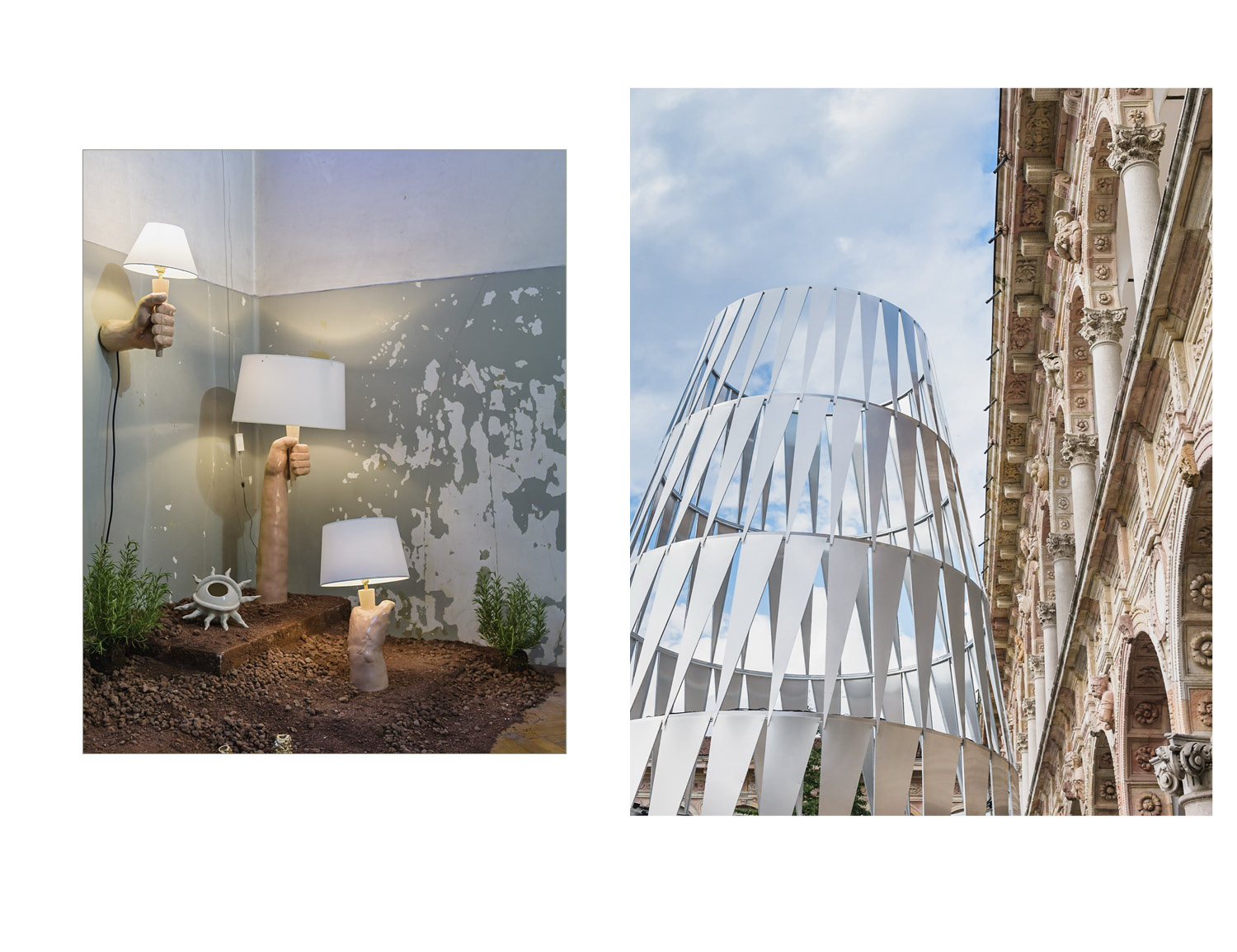
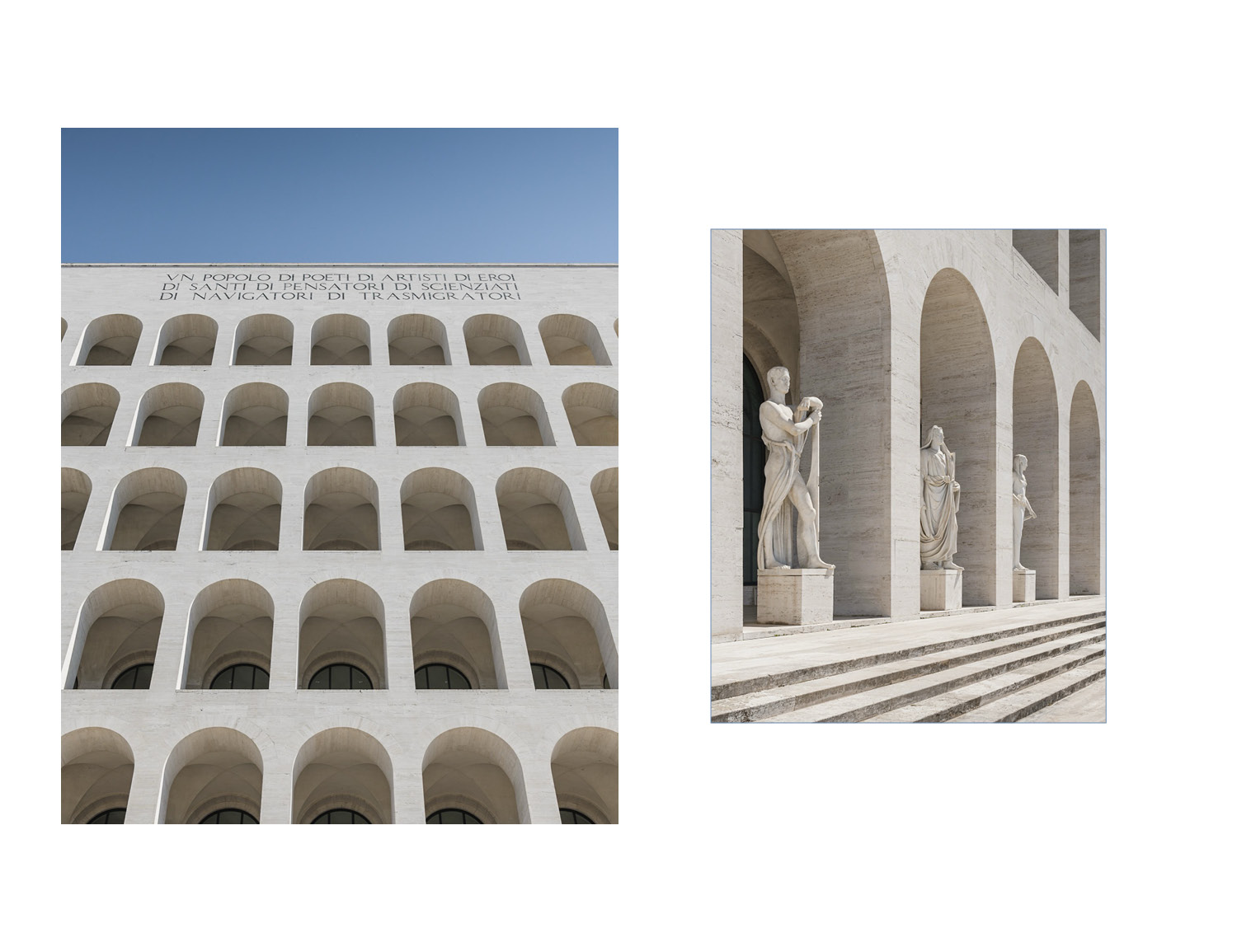
Your series for Elle Decor Italia at the Palazzo della Civiltà Italiana in Rome captures architectural monumentality with subtle intimacy. What’s your approach to photographing icons of modern architecture without making them feel static or distant?
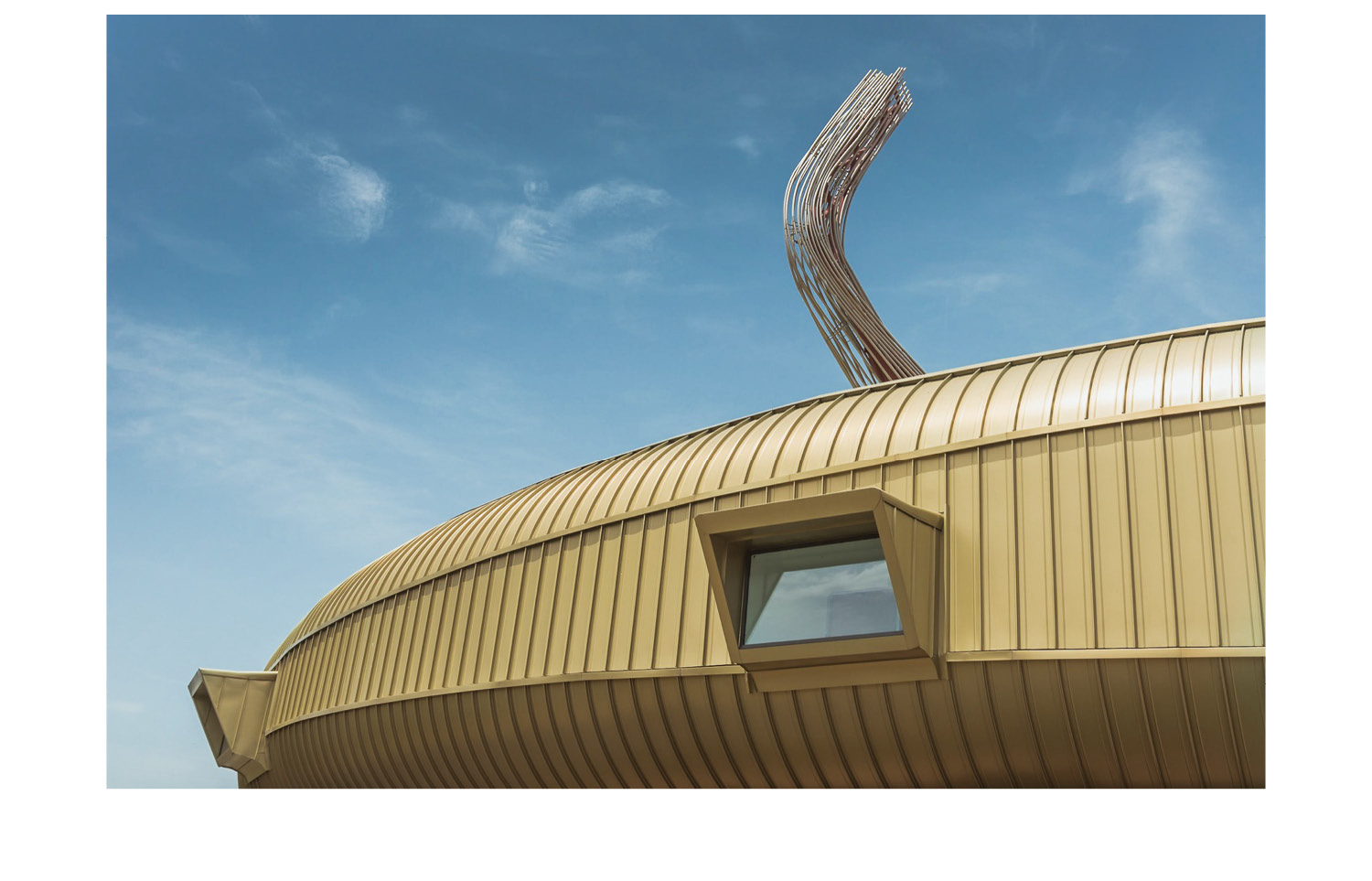
When I photograph buildings like that, I take all the time I need, observing and walking around the area. I’ve found that focusing on details and getting as close as possible helps me feel the architecture as something less distant and more familiar, almost as if I were visiting an old friend. In short, I try to adopt a close, intimate approach. In many cases, that’s my way of dealing with monumental architecture.
How do you see the relationship between fashion and architecture evolving today, and what do you think has driven the growing interest of major fashion houses in architectural spaces and design narratives?
Fashion and architecture have always interacted, and this is especially evident in the work of great photographers who have captured this relationship, such as Peter Lindbergh and Tim Walker. In recent years, however, this connection has strengthened significantly, as seen in the fashion shows and events of major brands like Gucci, Fendi, Prada, Louis Vuitton, and Dior. These brands have chosen iconic locations all over the world, from Castel del Monte in Italy to the Salk Institute for Biological Studies in San Diego and the Palais Bulles in France.
I believe this growing interest in architecture can be attributed to its evocative power and its ability to inspire. In this context, I can also mention a volume I had the opportunity to collaborate on, contributing some of my images: Gucci Prospettive 2: Ancora Milano, a visual diary exploring the relationship between design, architecture, and the city of Milan. It was published in 2024 by Gucci, with Sabato De Sarno as artistic director. This editorial project clearly shows how strongly fashion brands are connected to architecture and design.
In Our Glacial Perspectives with Olafur Eliasson, you step away from the built environment and immerse yourself in pure nature. How was it to capture an installation where time and weather became integral elements of the composition? Did this experience influence how you now photograph urban spaces?
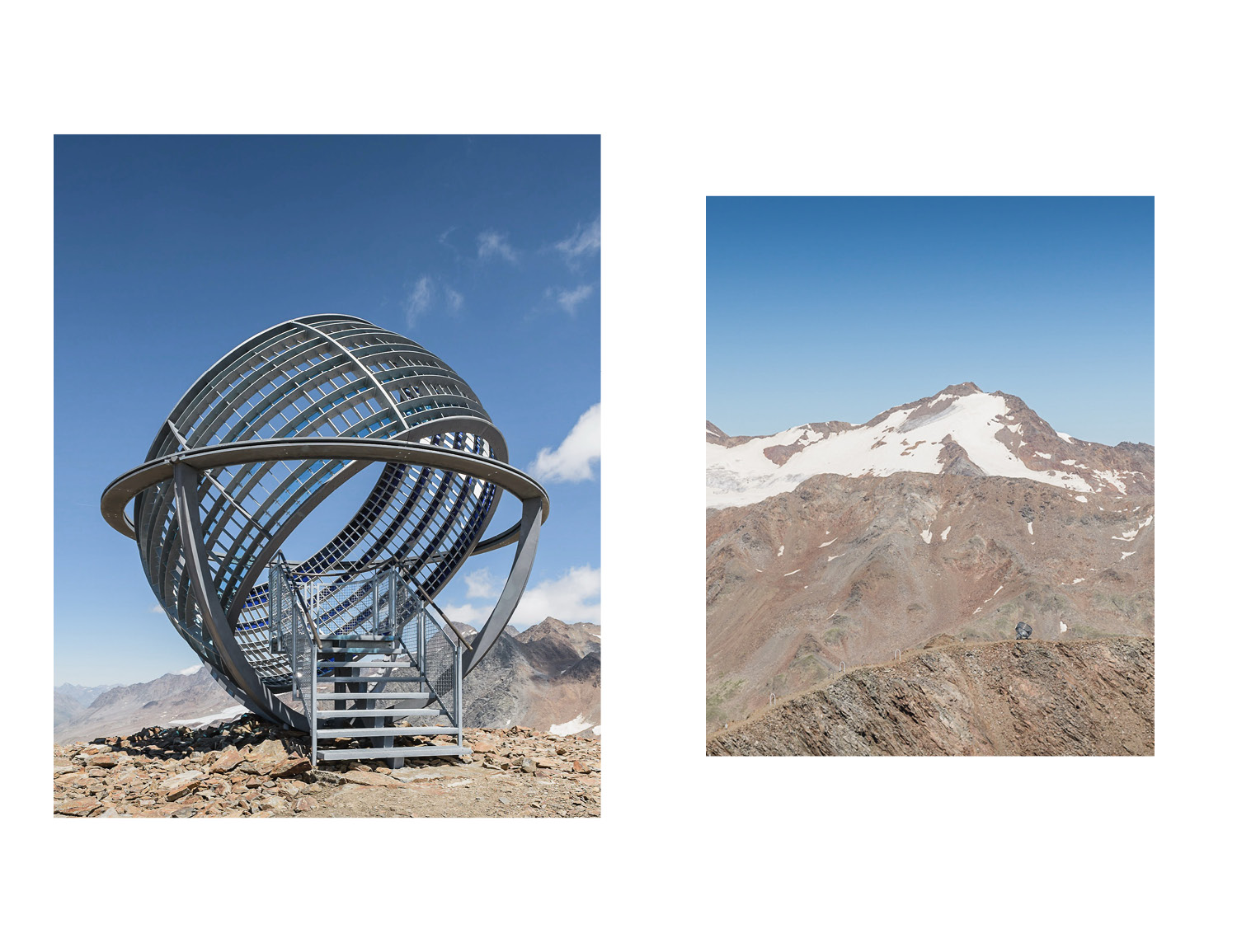
It’s incredible how architecture can communicate and integrate with nature, even at high altitude. In this case, it was particularly special because the author of the project is an artist I’ve admired and followed since university, and this is, to my knowledge, his first and only permanent site-specific installation in Italy. I was very happy to see it in person, especially knowing the conceptual work behind it.
The installation is completely immersed in the natural landscape. Once you reach the glacier, a trail leads you to this observation platform, surrounded by mountains. As you probably know, weather conditions in the mountains can change very quickly, affecting the light significantly. In my case, it was summer, and I was lucky. I observed sunlight hitting the metal portals and sphere for several hours, watching how shapes and shadows evolved. It was a kind of active contemplation, taking photographs at different times to record these changes.
That said, I don’t think this experience changed my way of looking at buildings and interiors in an urban context, because the starting conditions are radically different.
Your personal research delves into the intersection between nature and the urban landscape. Could you share the driving force behind this investigation and its connection to your commissioned work?
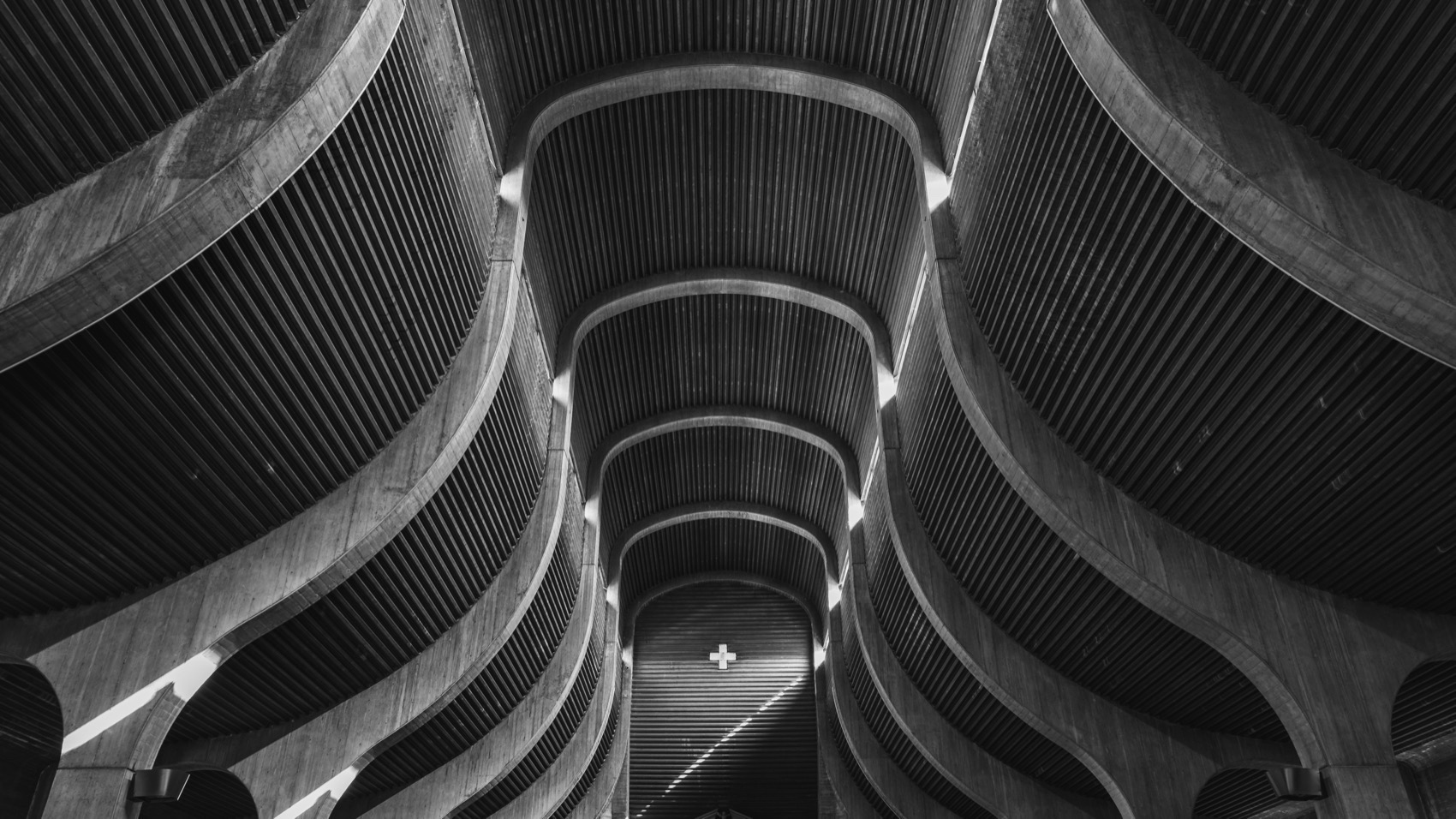
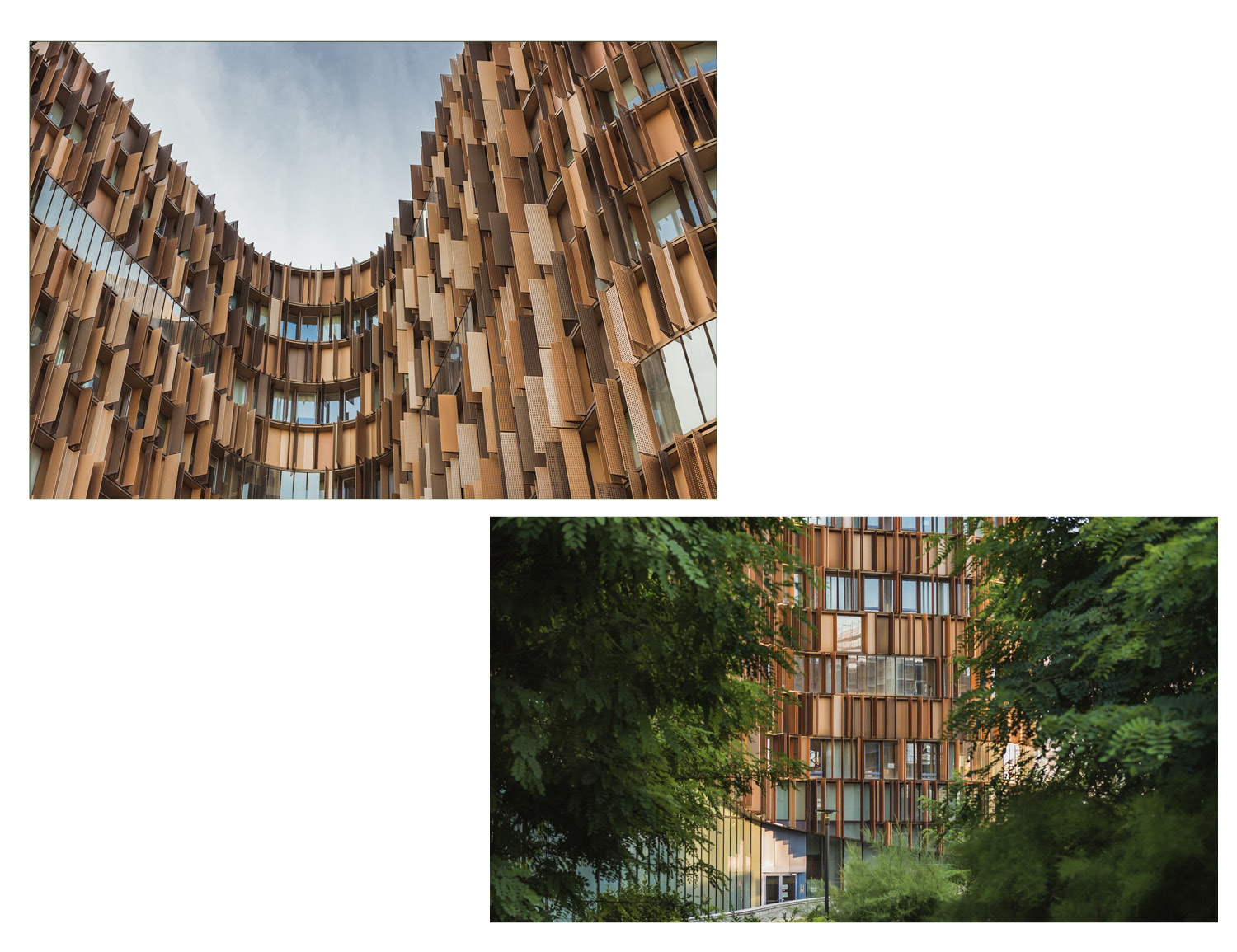
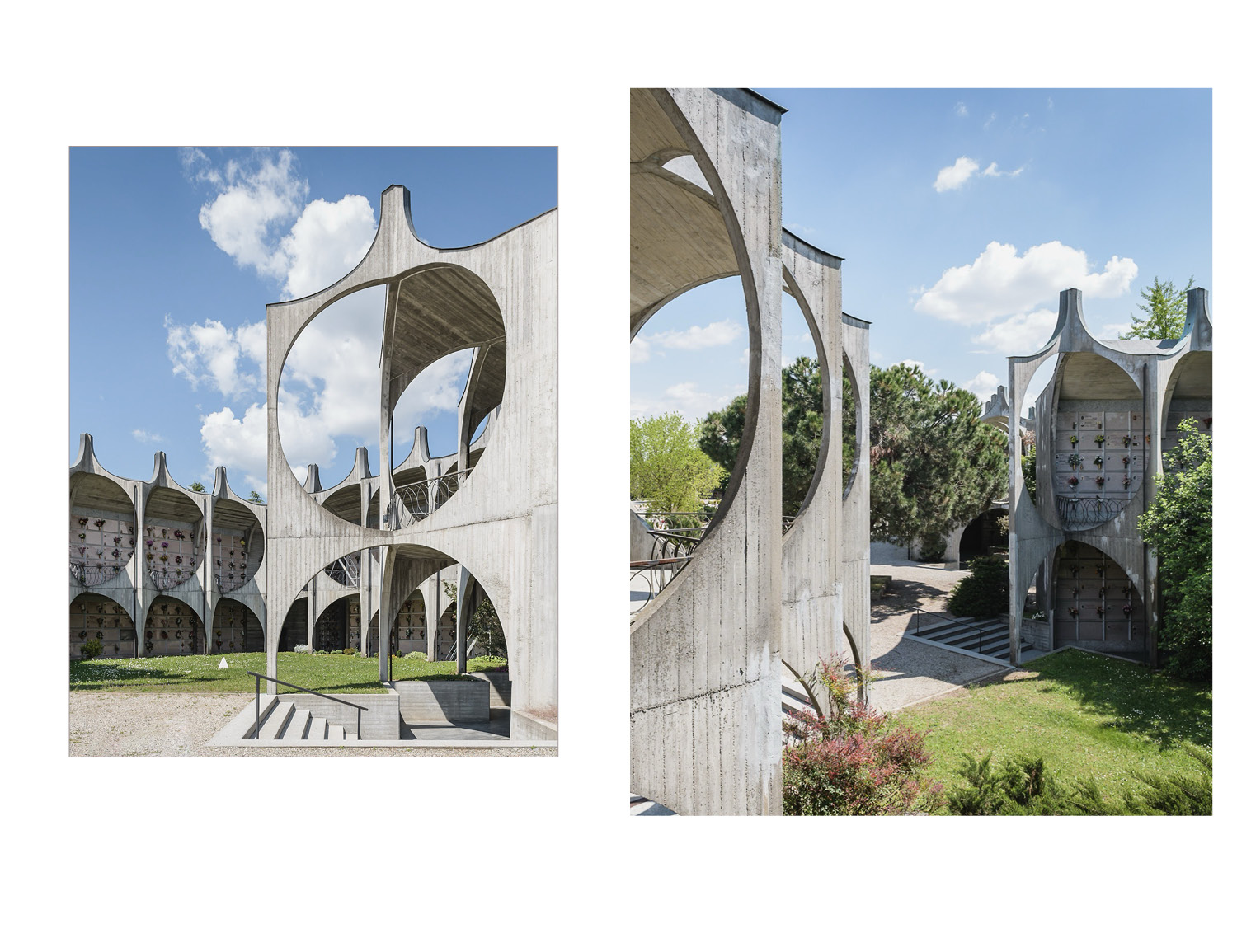
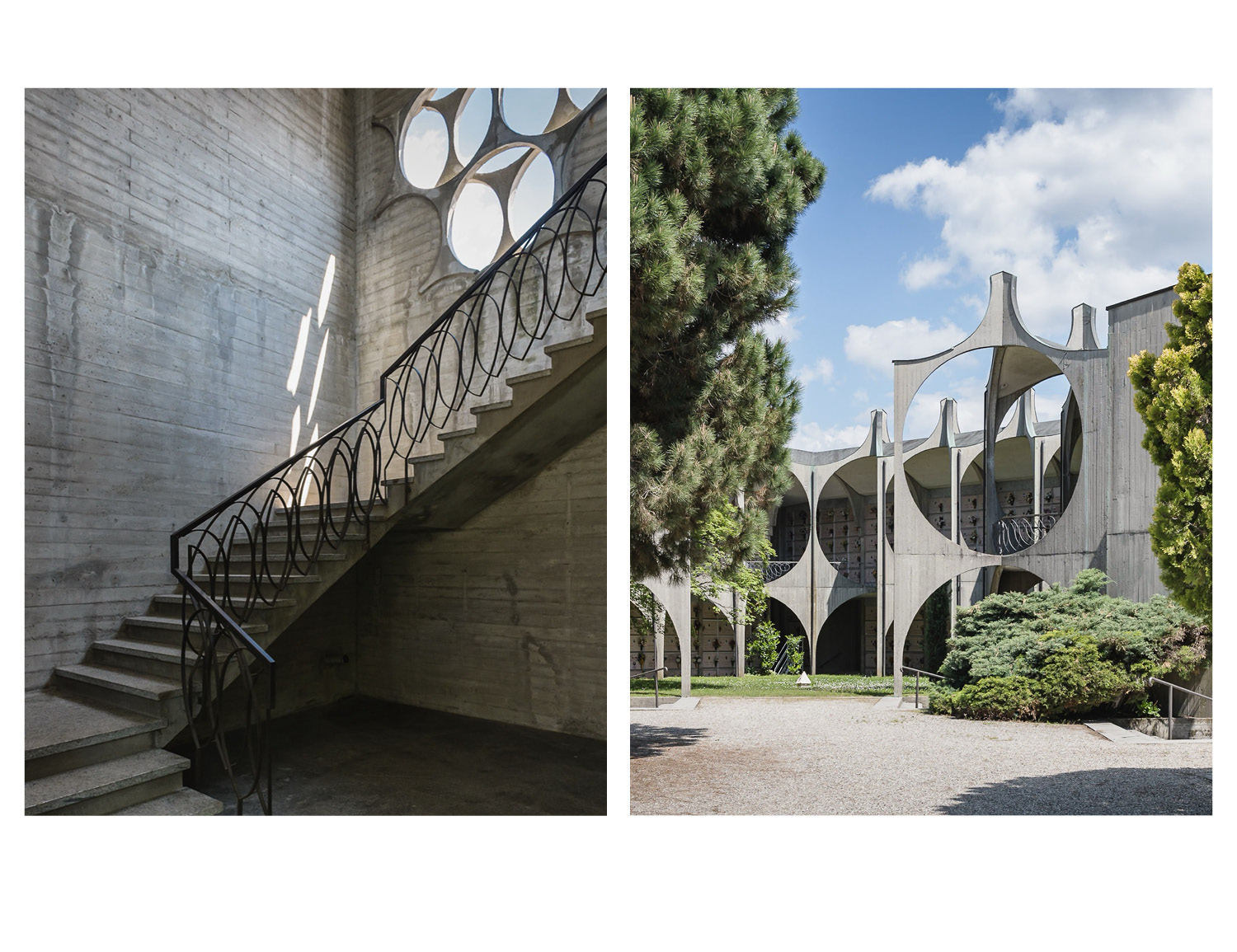
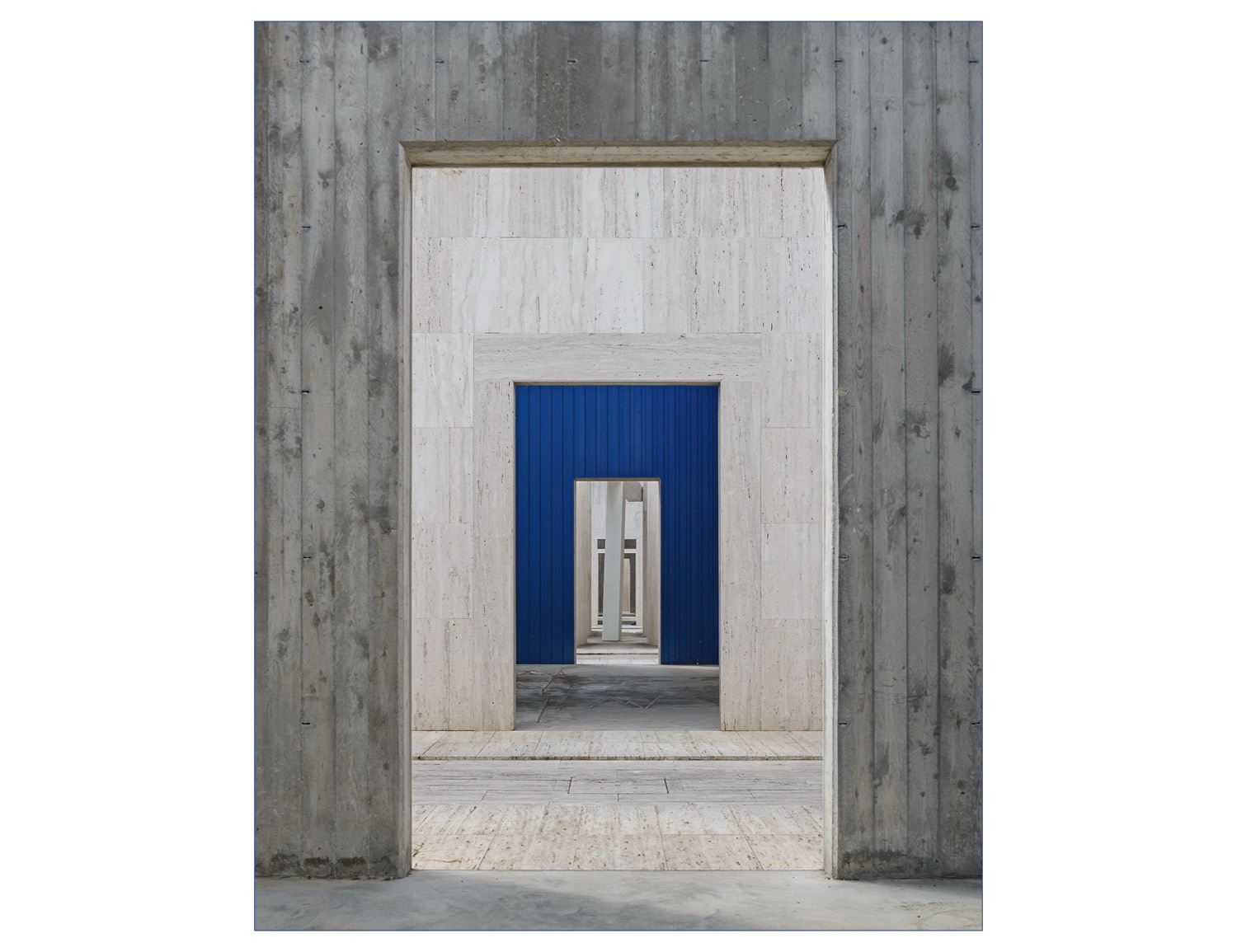
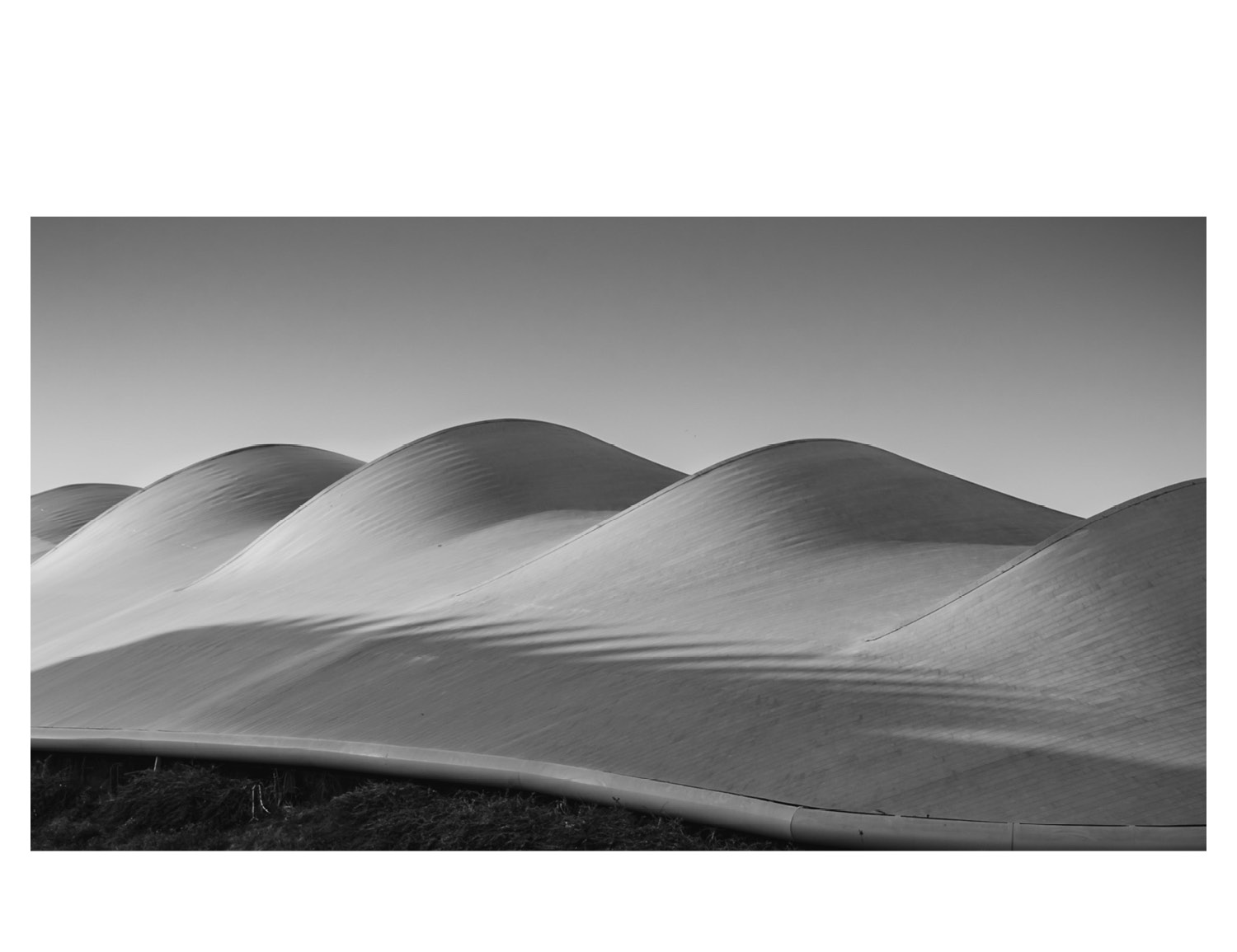
I’m very drawn to unusual, unconventional spaces with a strong and well-defined identity. I like architecture that transcends traditional forms, with metaphysical qualities—like in a De Chirico painting—or with symbolic forms and materials that recall nature. For example, I’m thinking of the Chiesa Madre by Ludovico Quaroni and the Cretto by Alberto Burri in Gibellina, Sicily, as well as many projects by Aldo Rossi, such as the Monte Amiata residential complex in Milan.
Churches are often great examples of this kind of space, especially contemporary ones. Think, for instance, of the Church of the Light by Tadao Ando, or the Tomba Brion by Carlo Scarpa. Fortunately, we live in a time when the architectural scene is highly diversified, thanks to new generations of architects and designers, as well as new technologies and AI. I try to highlight these aspects in my commissioned work whenever I see the opportunity.
Finally, if you could capture your dream project—one that embodies your beliefs about architecture, nature, and time—what would it look like?
It would definitely be an architecture by Carlo Scarpa, Ricardo Bofill, or Louis Kahn—a sort of metaphysical space that integrates with its context and embraces nature.